We're Looking for Feedback on our 2017 Work Plan
/
Would you like to provide feedback on our 2017 work plan? Now's the chance, our 2017 work plan is open for comments and review from now until Monday, May 16 at noon.
Read MoreTips, tricks, and a quick peek into the everyday life of the conservation district.
Would you like to provide feedback on our 2017 work plan? Now's the chance, our 2017 work plan is open for comments and review from now until Monday, May 16 at noon.
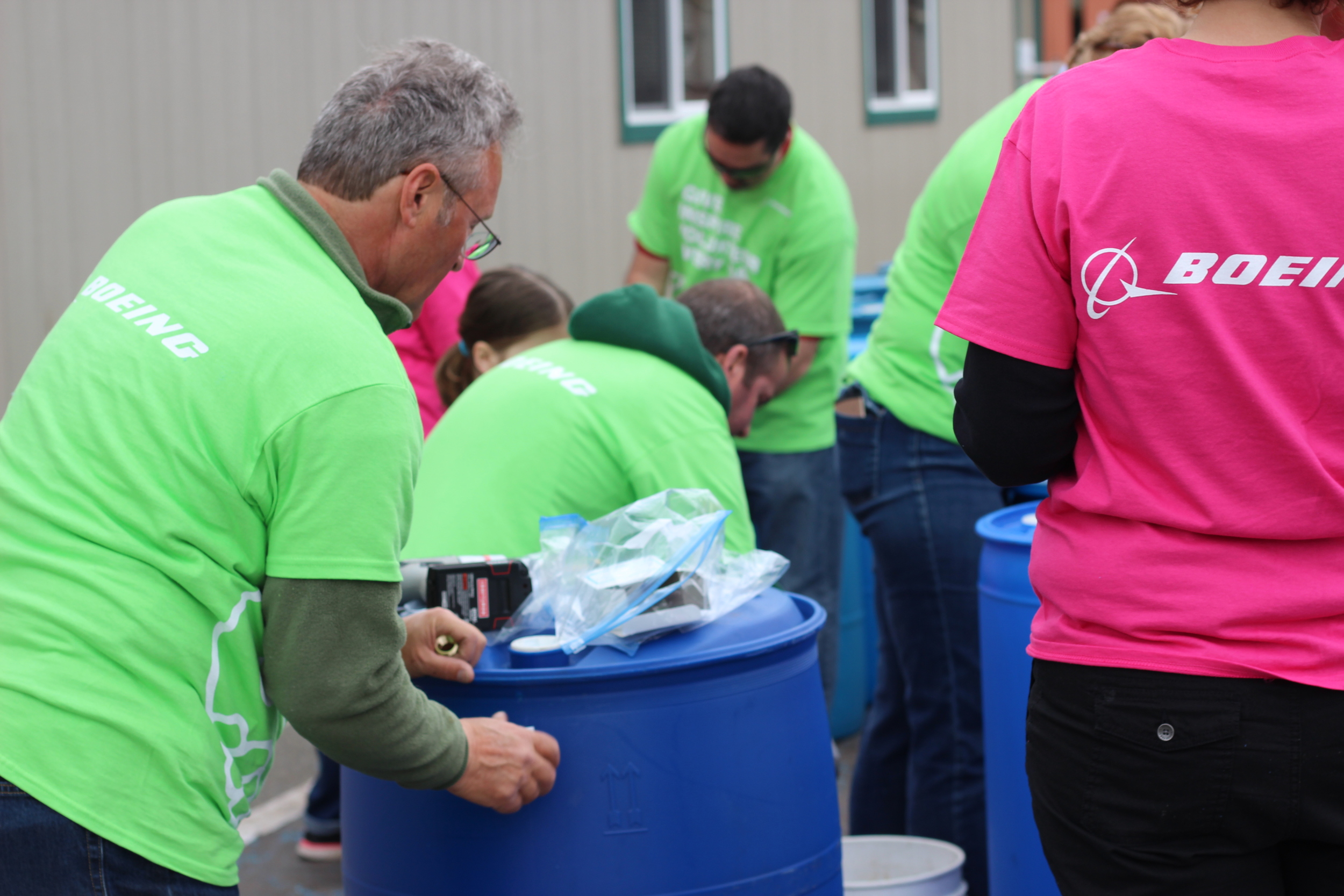
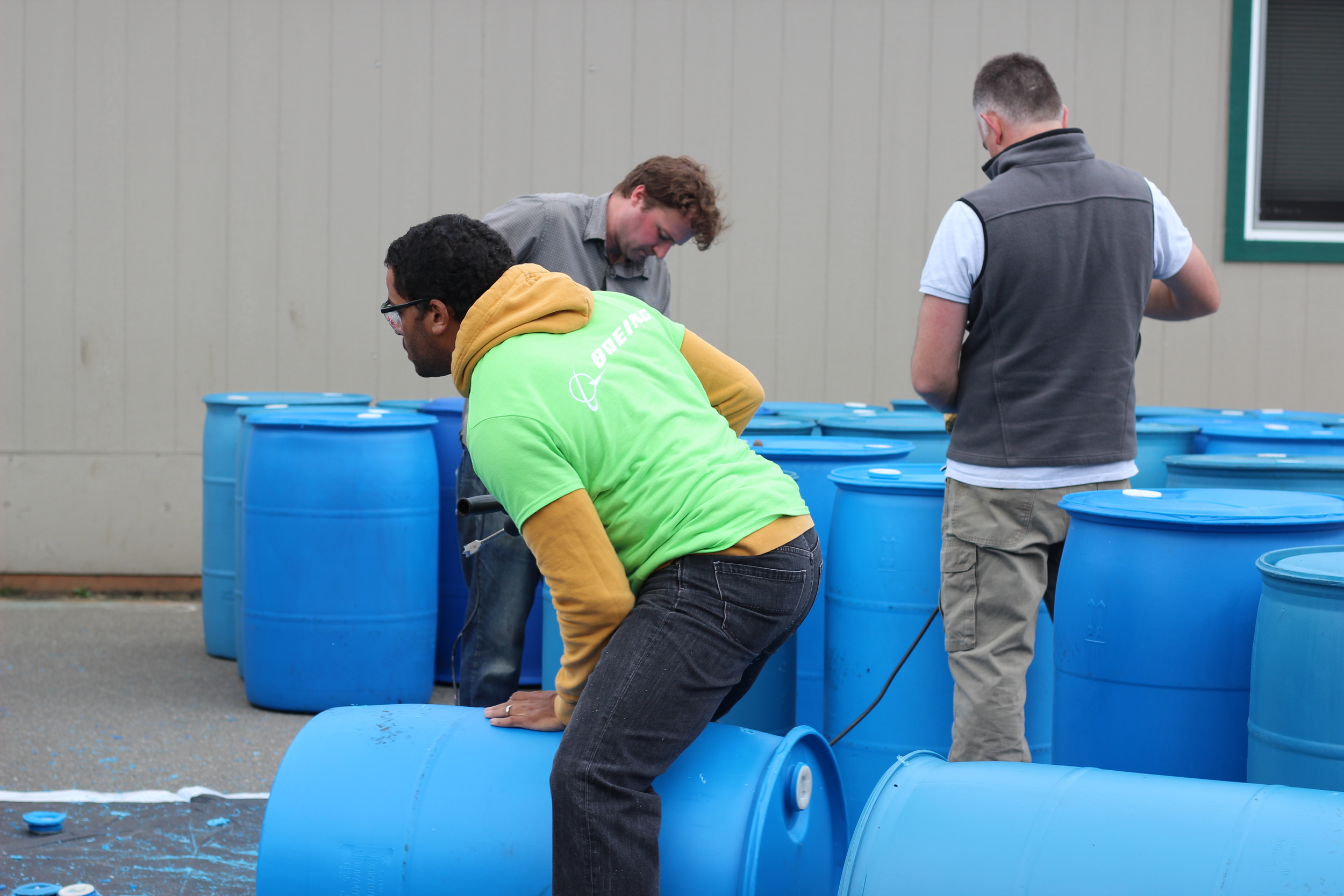
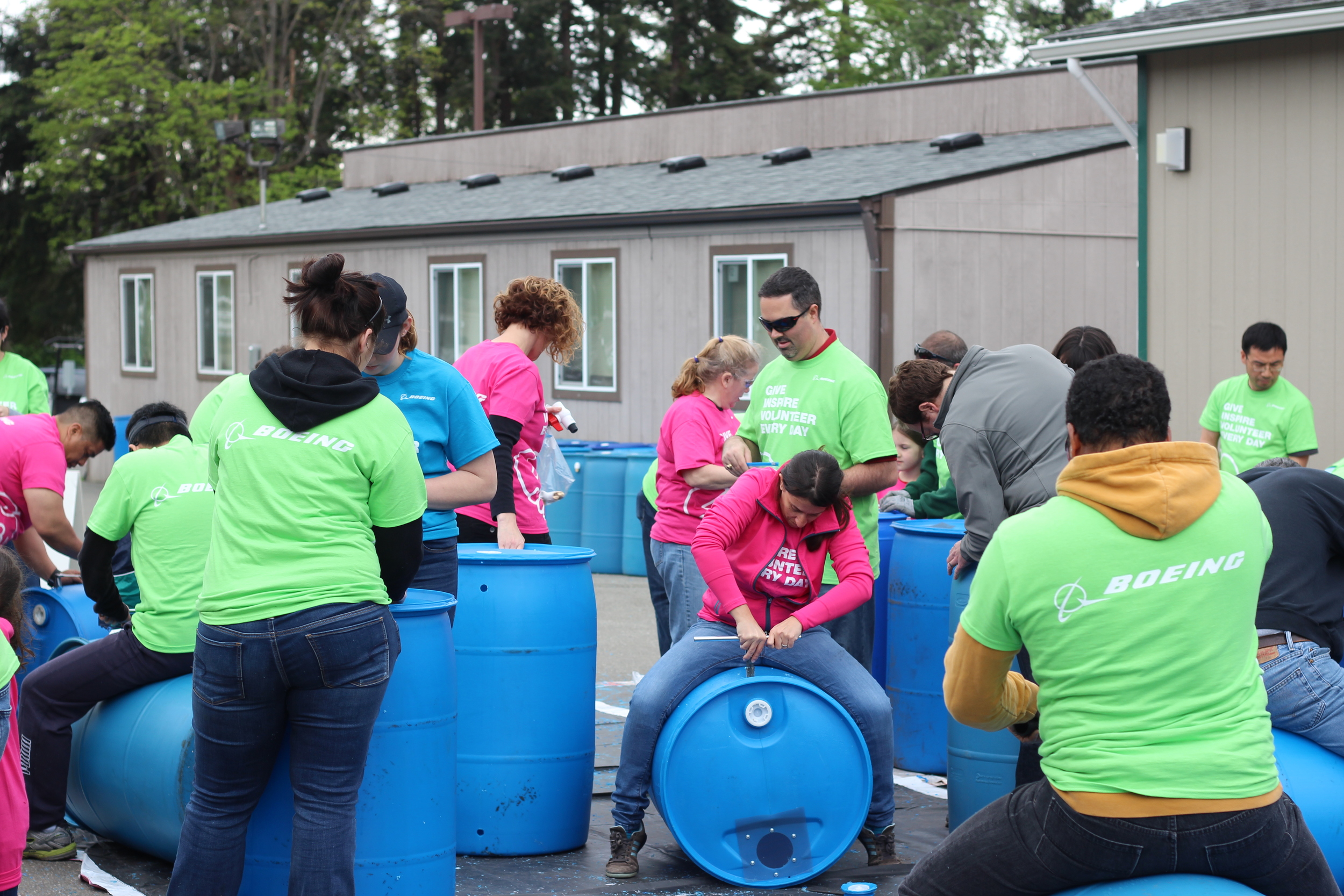
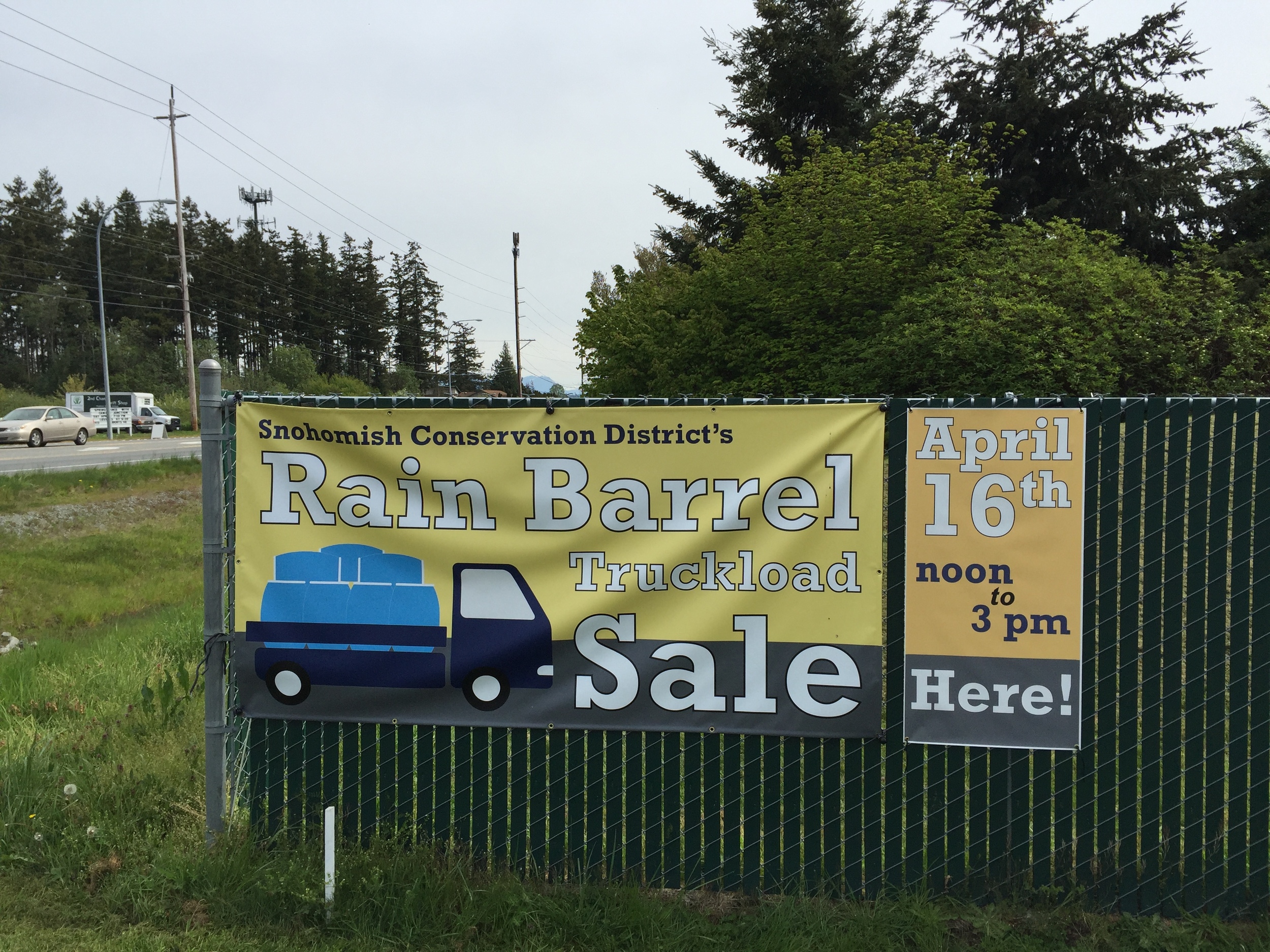
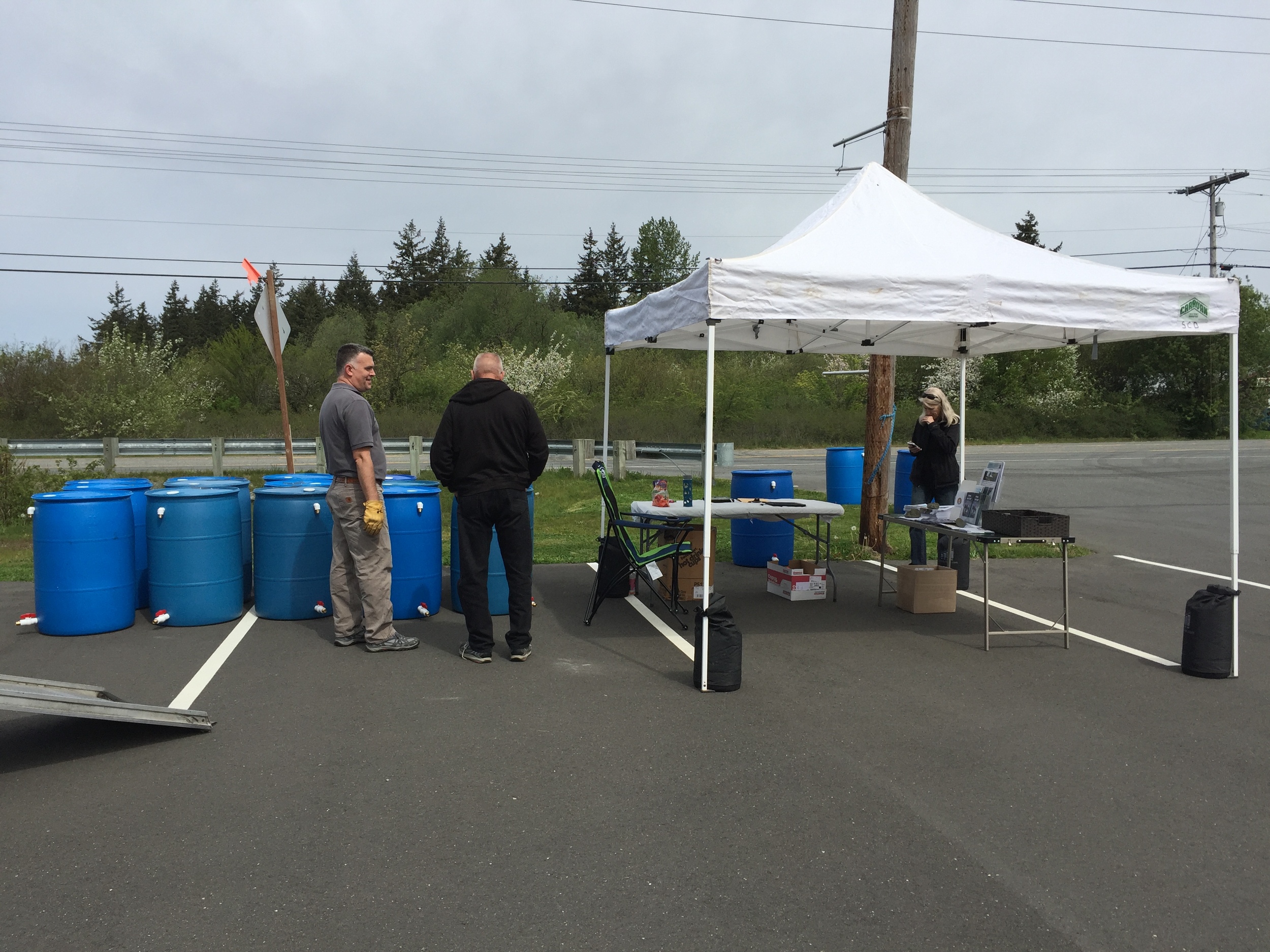
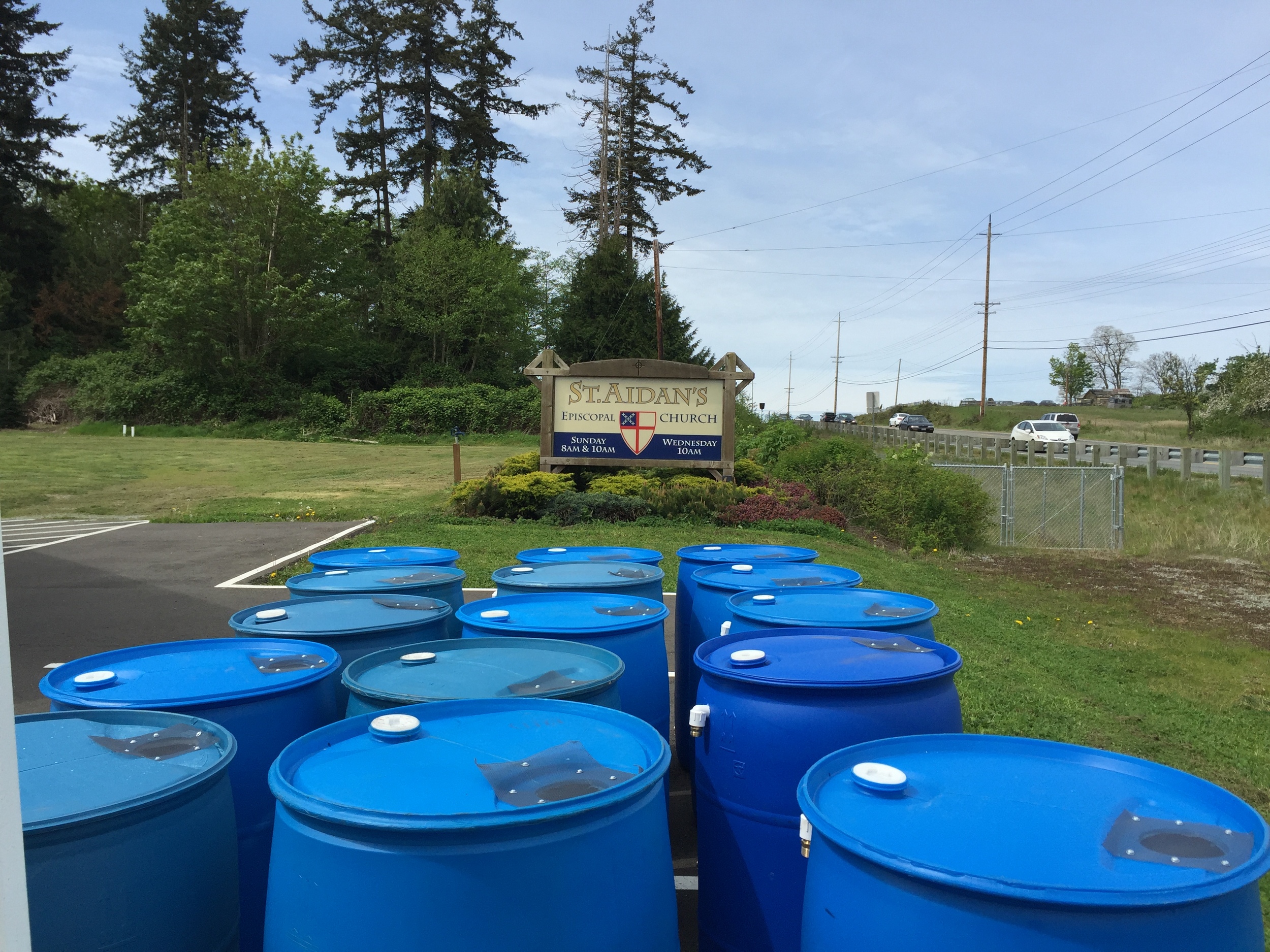
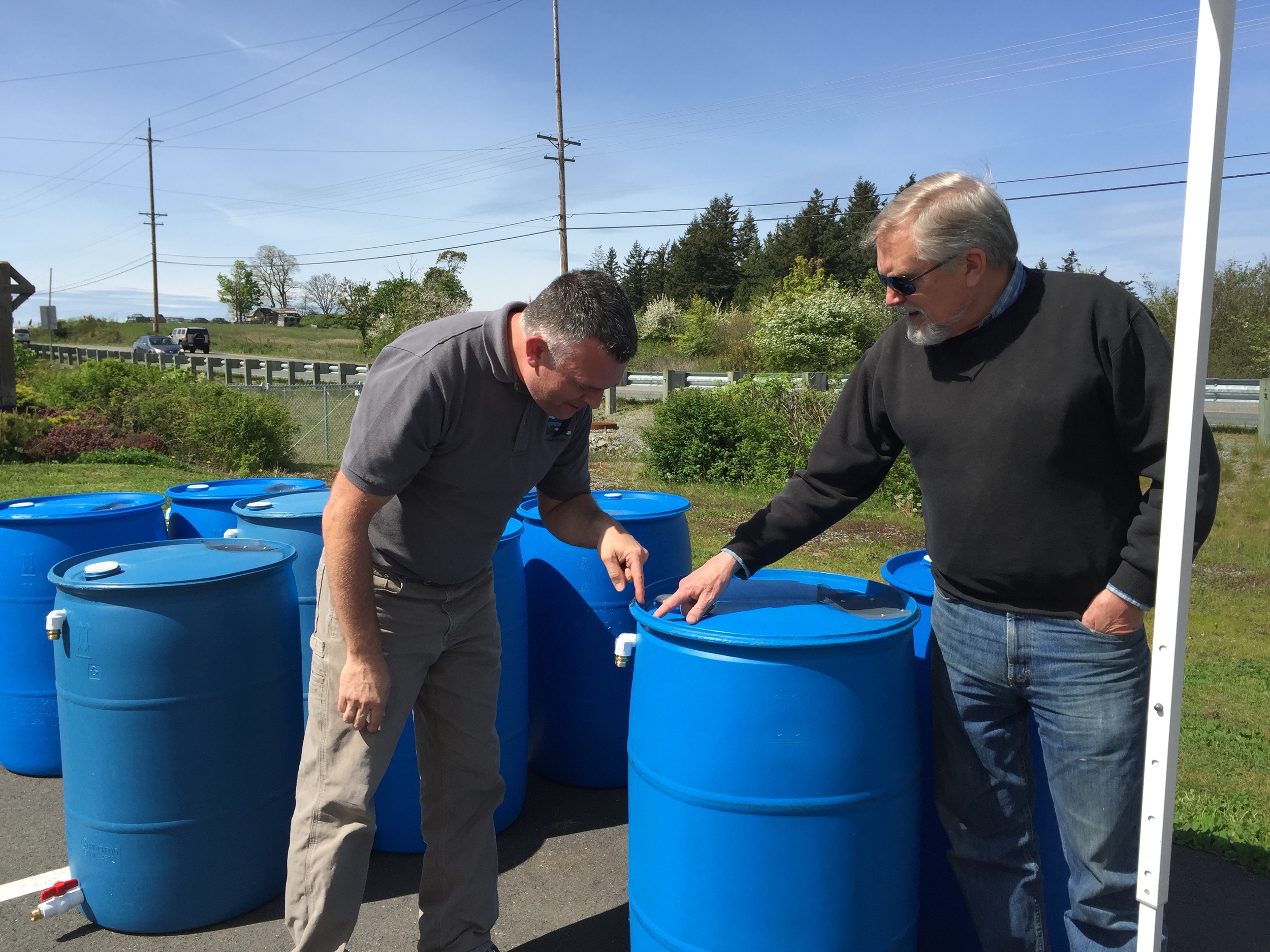
Read MoreWe all know that Boeing is in the business of building high-quality planes. As it turns out they are also great rain barrel assemblers! Last Friday, April 15th Boeing partnered with Snohomish Conservation District, Mukilteo Elementary and Boy Scouts to turn a whole truckload of 55-gallon drums into rain barrels. In just over 2.5 hours they assembled 150! These barrels were taken to a public rain barrel sale on Camano Island, where 46 were sold to happy locals. Those who bought rain barrels will be able to store and re-use roughly 2,530 gallons of water! St. Aidan's Episcopal Church and vicar Fr. Drew supported the sale by providing the venue, helping to promote, and assisting with set up.
In addition to assembling rain barrels, Boeing Volunteers also laid mulch in the Mukilteo Elementary outdoor classroom and helped hand dig a rain garden. Young Boy Scout leaders, who were pivotal in the creation of the outdoor classroom, and teacher Sue Idso, gave volunteers a tour of the outdoor classroom – pointing out the habitat structures purposely built to provide a haven for urban wildlife while providing memorable outdoor science opportunities for elementary students. This year alone, over 90 classes have taken place in the Mukilteo outdoor classroom.

All in all, this group of Boeing employees and family members did an incredible job! District Community Engagement Manager, Kate Riley, couldn’t say enough good things about working with Boeing Company.
“Boeing has been an incredible partner – from their active volunteerism and their commitment to supporting local environmental work, to their desire to address stormwater pollution at their factories by installing rain gardens.”
This year, in partnership with The Nature Conservancy, Boeing provided $90,000 of funding to support Snohomish Conservation District and partners in implementing key conservation initiatives including rain garden demonstration projects in Edmonds and the regional Better Ground Campaign.
Our 2016 plant sale was loads of fun and okay, loads of work, too. We couldn’t have done it without our hardworking staff, volunteers, conservation crew and booth folks.
Read MoreKids say the darnedest things sometimes, especially when they’re traipsing through a smelly wetland teaming with life and fun new experiences.
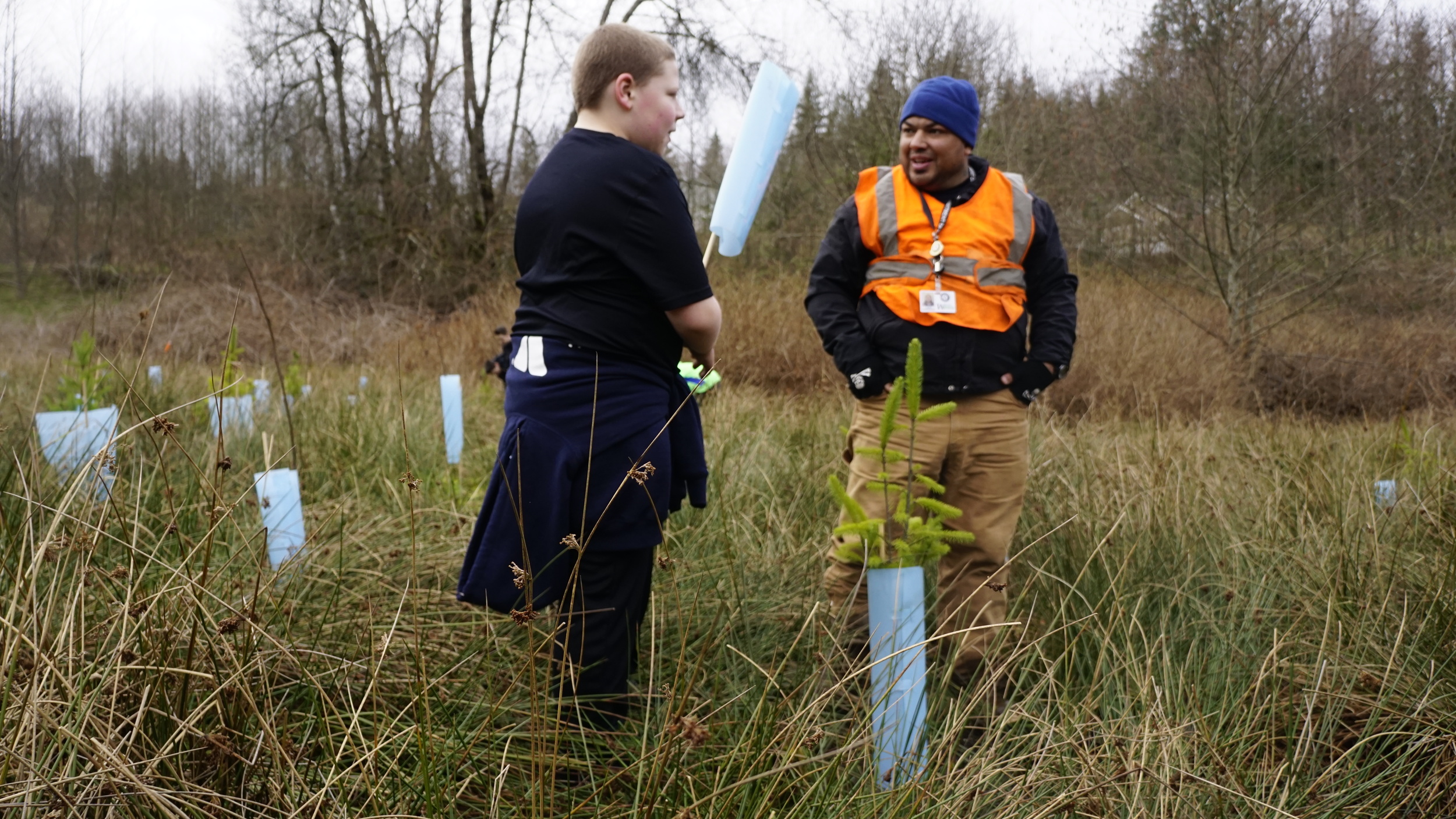
This past October, fourth grade students from Discovery Elementary joined the Conservation District’s Sound Education staff (Jessica Kinney and Laura Goff) at the North Creek Park wetlands for an outdoor field trip.
Read MoreWestern Washington and more specifically, Snohomish County, has an ideal climate for growing grass. One of the reasons for this is due to our temperate climate with plenty of rainfall. For example, the city of Snohomish averages 50 degrees Fahrenheit and has about 275 frost-free days per year. This is accompanied with about 35 inches of annual precipitation.
Read MoreImproving watershed health takes everyone. It takes landowners of all types – urban, rural, farmers – coming together and figuring out how they can do their part to keep the watershed healthy for the near- and long-term. Since 2013, the Snohomish Conservation District has been working to accomplish exactly that in the Church Creek sub-basin, thanks to a grant.
Read MoreBut, is tearing up the lawn and planting vegetables the only way to reduce your environmental impact and provide for your family? Maybe you don’t even have a lawn to tear up. Many condo and apartment dwellers are taking classes on growing food in small spaces, in pots, on vertical supports or in neighborhood pea patches. Pea patches, or ‘recession gardens’, are so popular that in Long Beach, California, the waiting list for garden space has quadrupled for a 312-plot community garden.
Read MoreAnanda* Farm is a 14-acre, community-owned yoga and permaculture farm on the south end of Camano Island. Their mission is to live simply and harmoniously with nature, and to provide basic needs for themselves and a growing community of friends. Yoga and meditation are the foundation of life at the farm. Ananda Farm represents a positive change for the Camano-Stanwood community, and reflects the diversity of clients the conservation district now serves.
Read More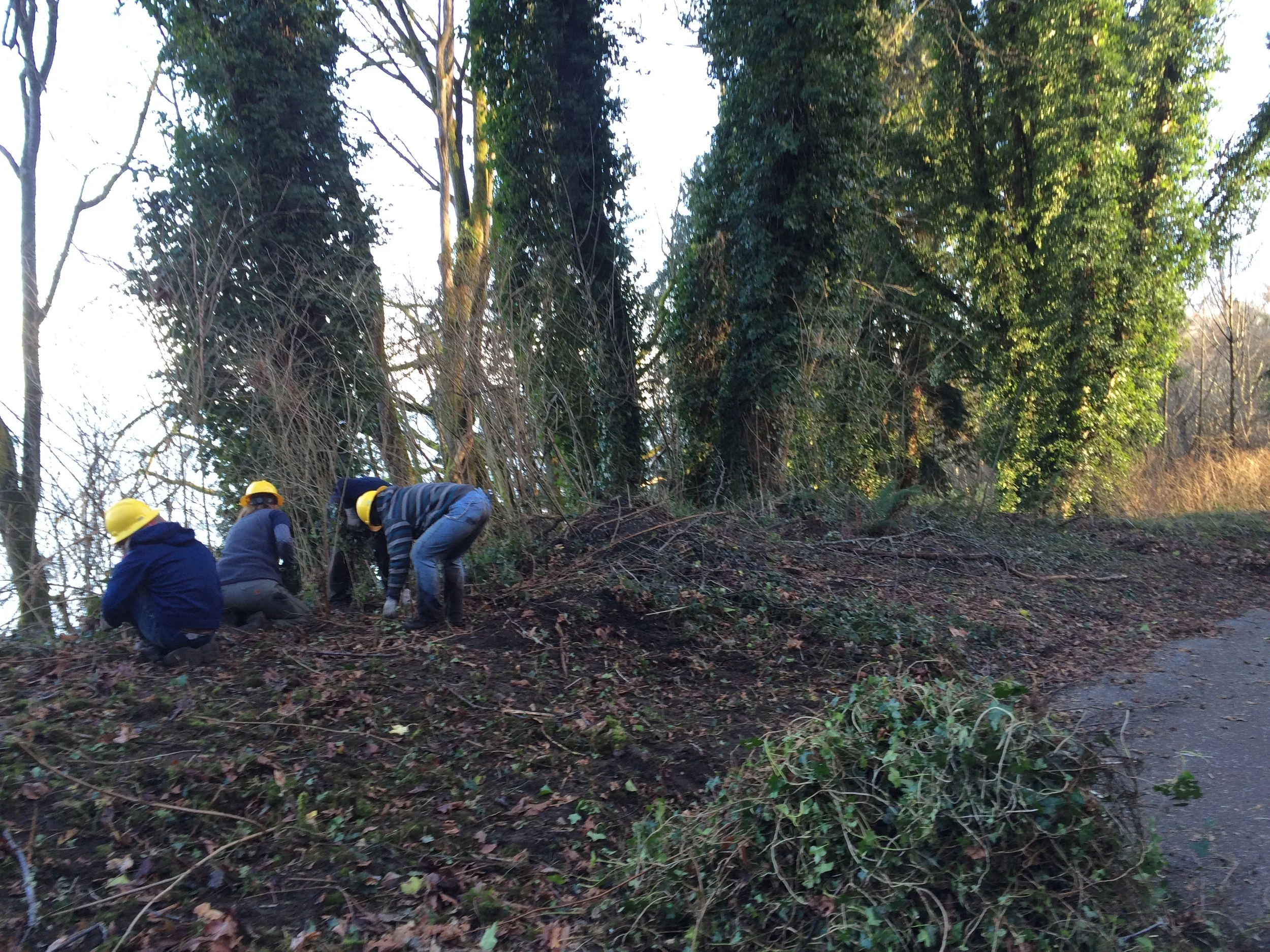
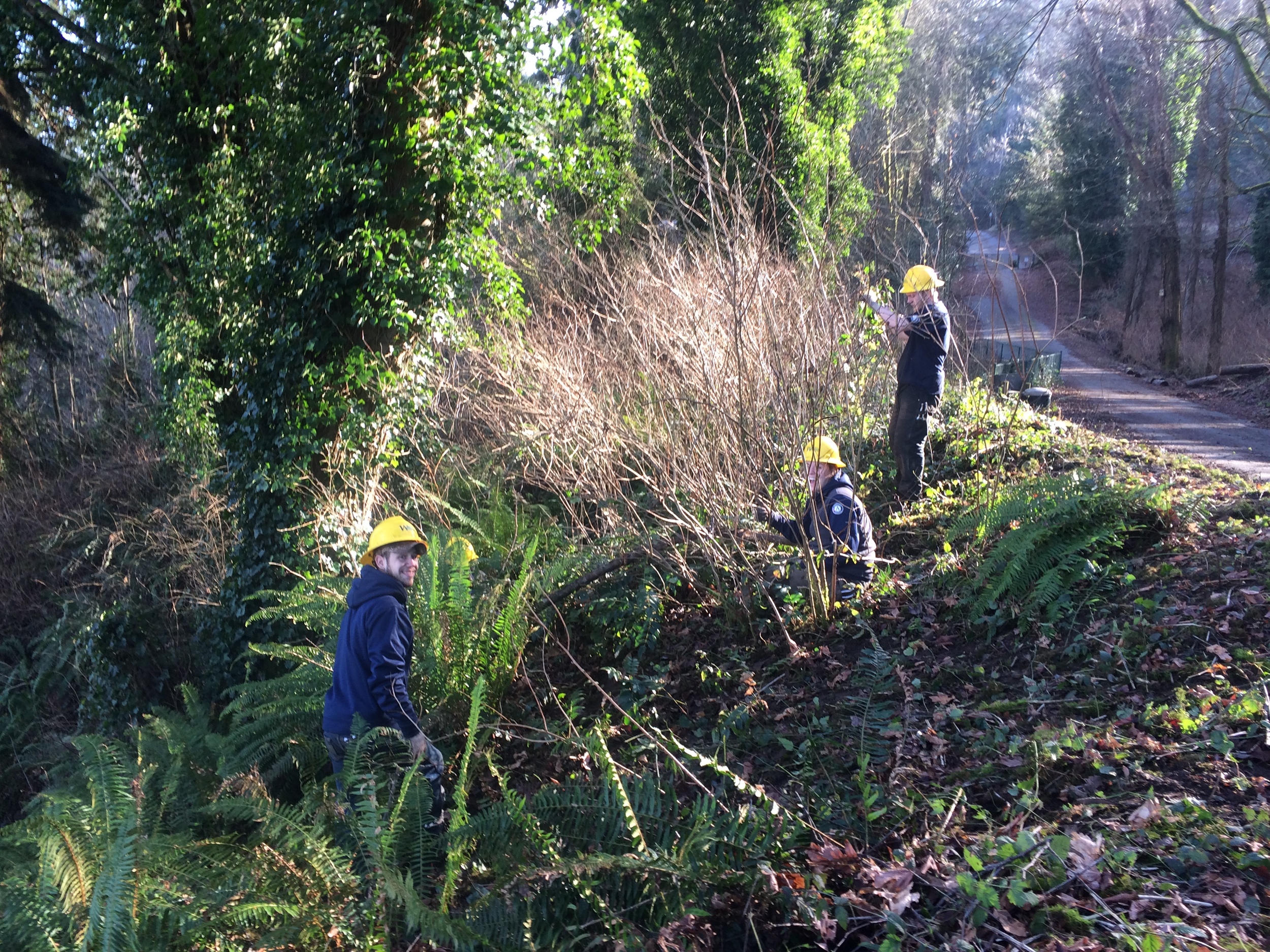
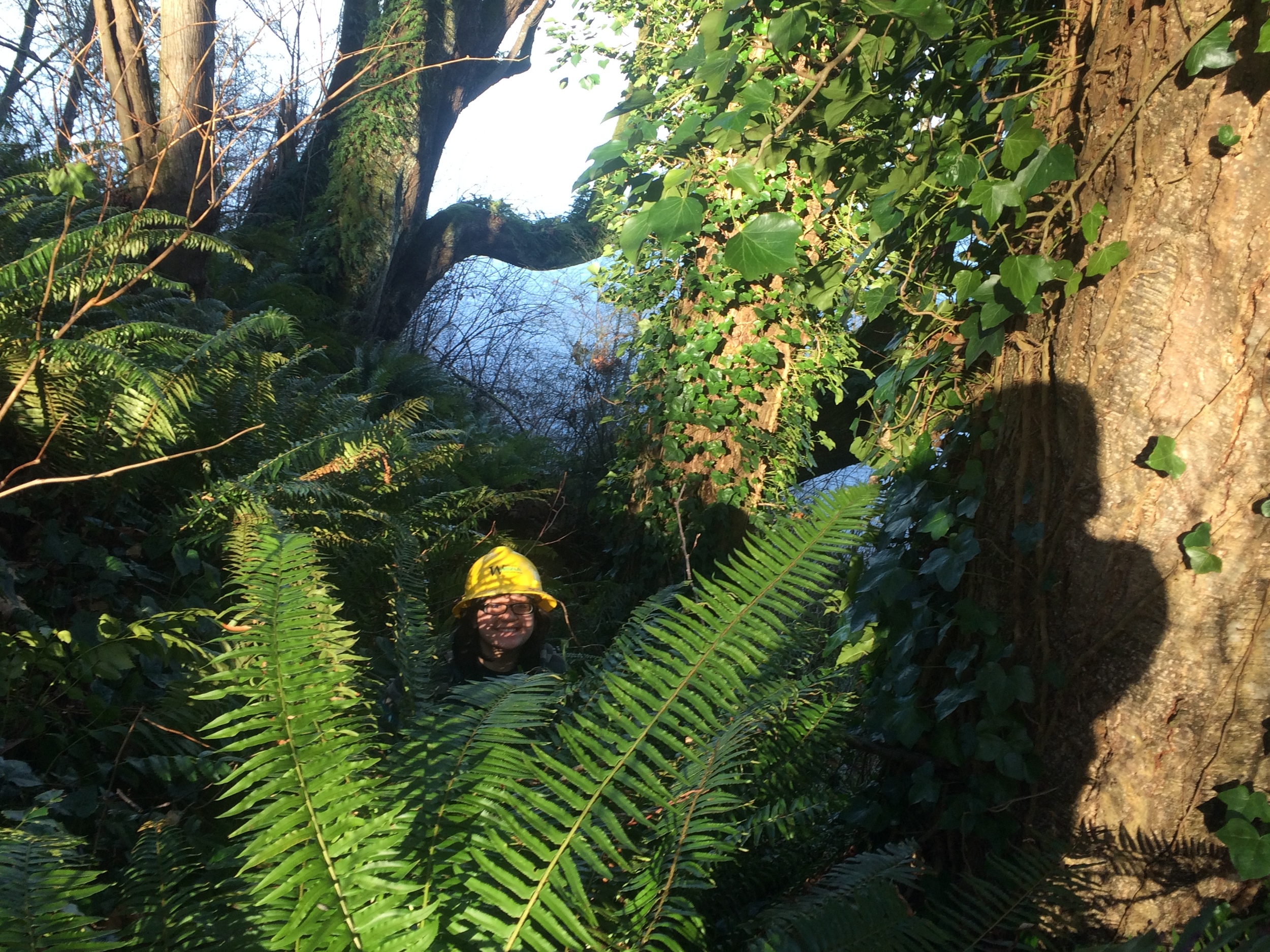
Location: Whidbey Island
Activity: Working with the Whidbey Island Land Trust to remove English Ivy from trees and the surrounding ground in a once logged area along the eastern shore.
Date: February 16, 2016
We partnered with Alayne Blickle, from Horses for Clean Water, to create this informative series of short videos on a range of essential horsekeeping topics. The best news? Each of the 9 videos is under 2 minutes long!
Read MoreSoil temperature mirrors air temperature. So instead of putting a thermometer in the ground, you can use a formula called “T-Sum 200” to track soil temperatures indirectly and determine when grass will begin to grow.
Read MoreStudents Planting the Future is a new program that enables community members to donate native plants directly to school restoration projects, enabling students to beautify and improve the ecological function of their campus.
Read More2015 was another exciting and productive year here at the Snohomish Conservation District. We have enjoyed our opportunity to engage with such a diverse and committed set of landowners and partners. The accomplishments for 2015 are based upon and driven by the willingness of private landowners and managers to actively manage the natural resources they control. Additionally, the accomplishments for 2015 are significantly impacted via project collaborations with partners. We sincerely thank everyone that has made a positive contribution and impact on natural resource management this past year.
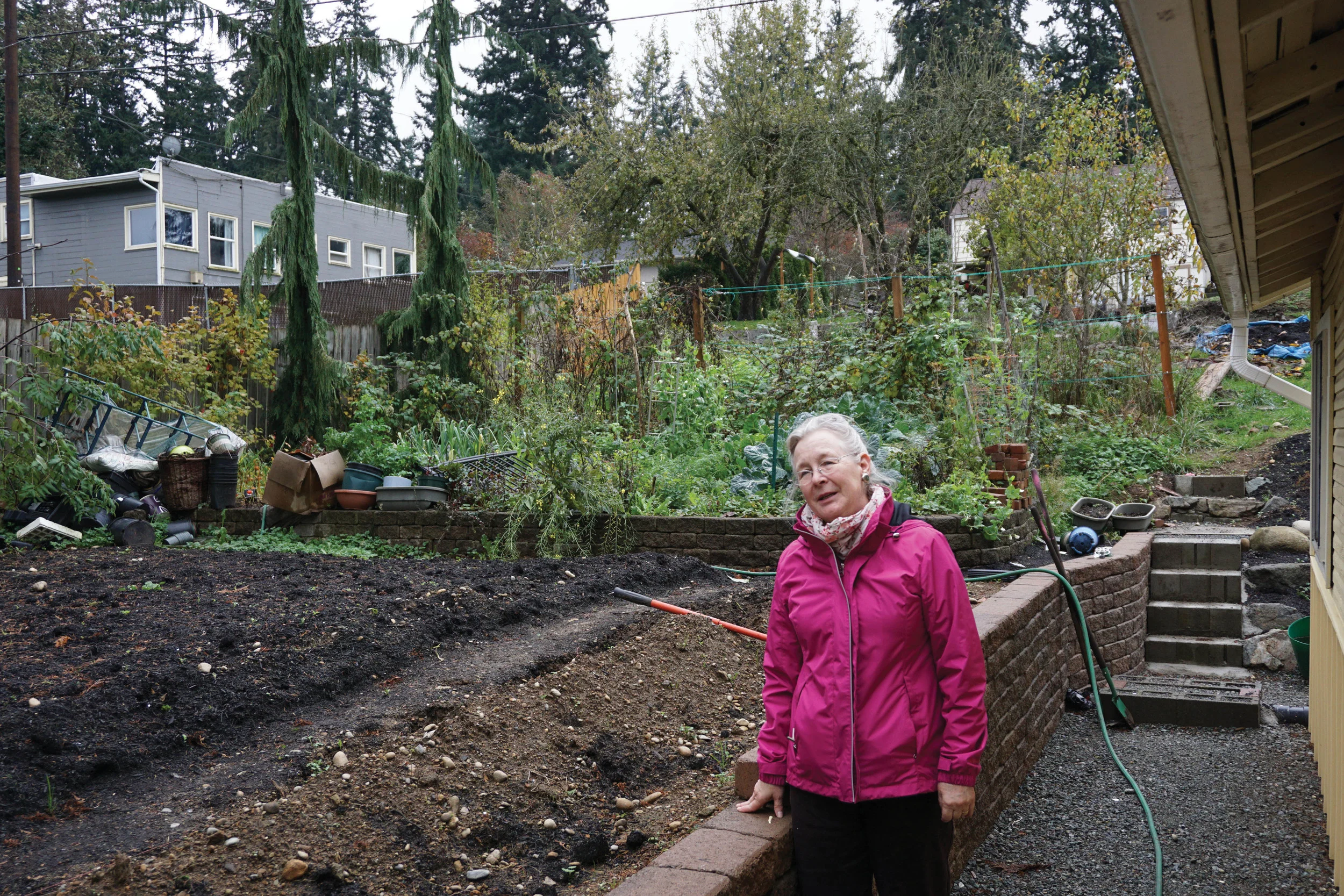
Read MoreIt can’t be any fun to sit at your kitchen table and watch the soil on the hillside above your backyard slowly slide down and envelope your house and garage. Not only is it not fun, it can be stressful knowing the foundation of your house and garage are surely rotting from wet soil and the constant pressure of soil creeping downslope.
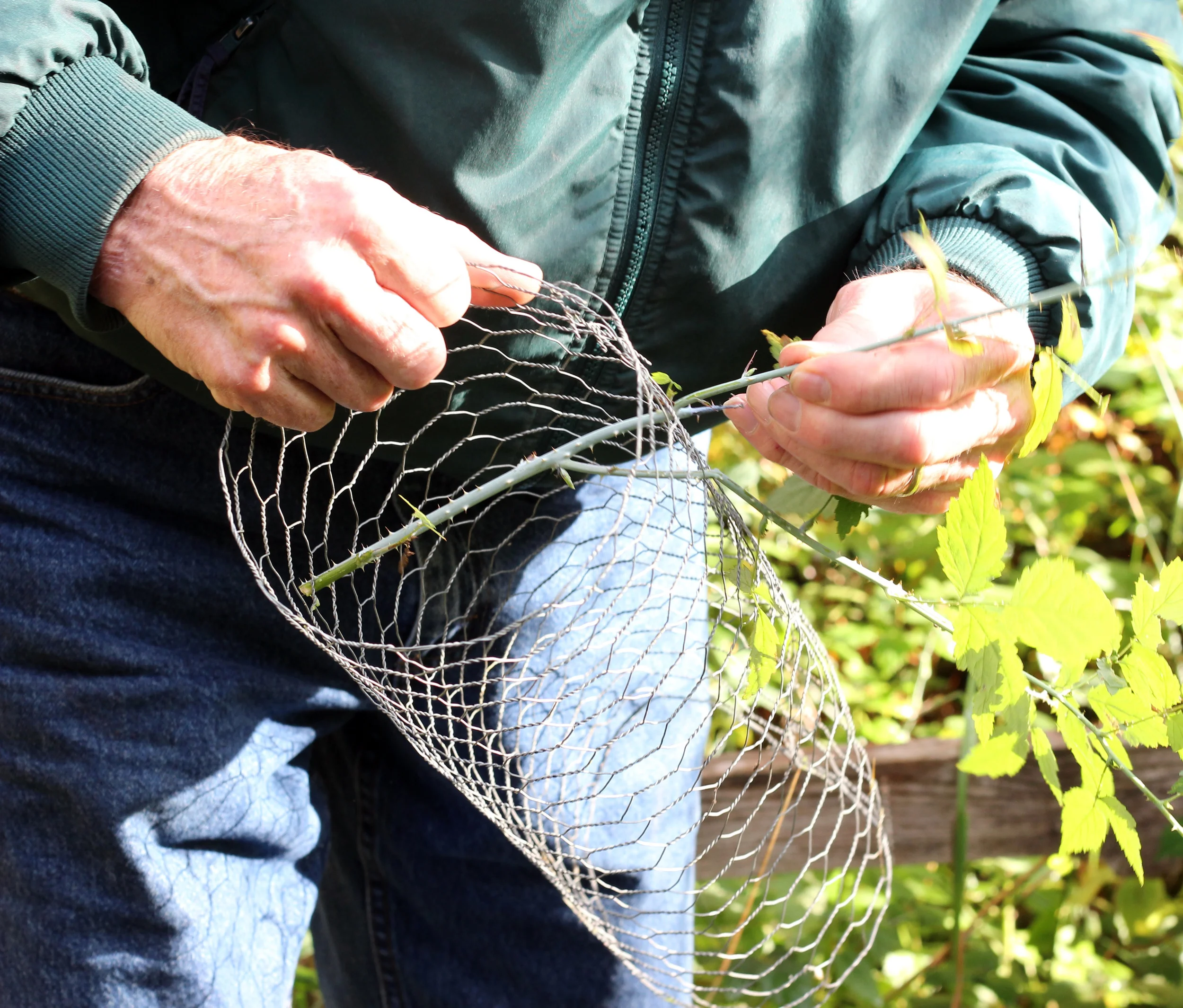
Read MoreWhat can you learn from an experienced forester about keeping young trees safe from hungry wildlife? Plenty! Duane Weston shares two simple approaches to keep new seedlings safe, one of which he developed.
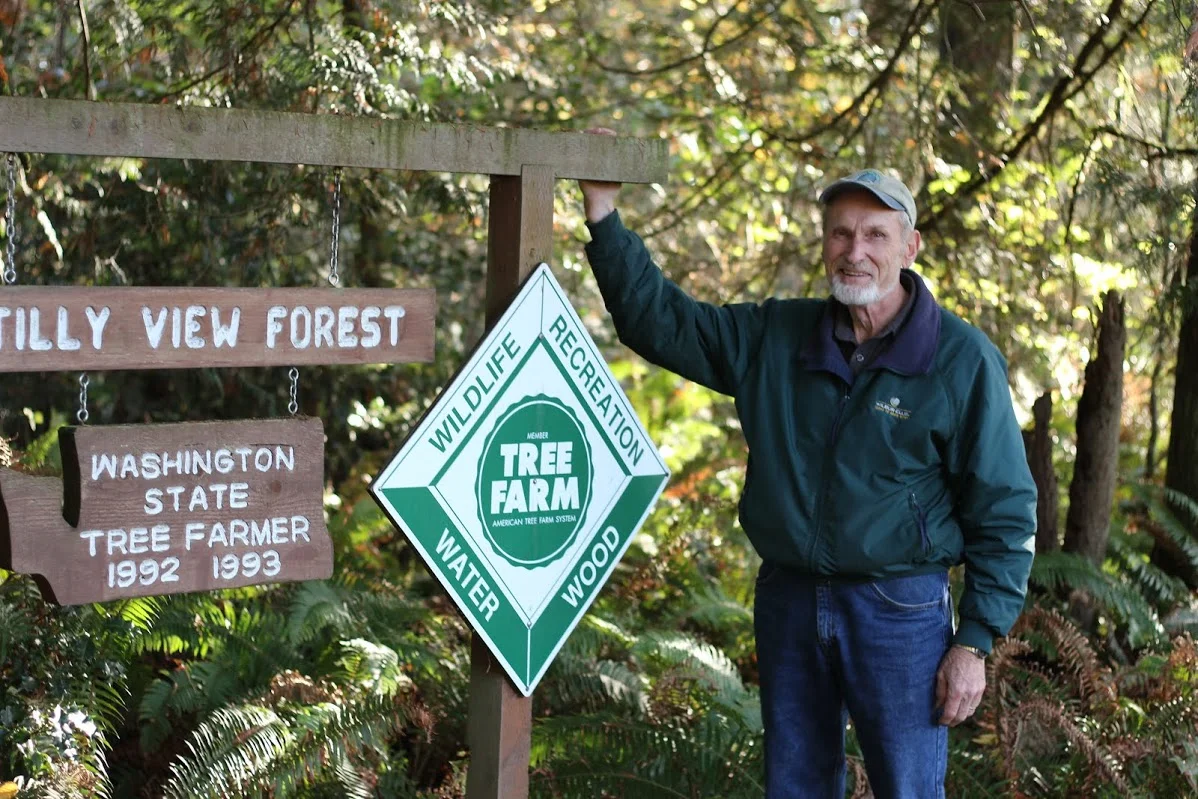
Read MoreOne thing you hear a lot when you take a walk in the woods with local forester Duane Weston is his to-do list. He frequently mentions where he needs to fill in with new trees, clear a fallen log, clean up one of many trails, add more wildlife habitat, or thin an older stand of trees. There seems to be a never-ending list of work on a 40-plus acre tree farm, but you can tell Duane relishes the opportunity to work on it and make on-going improvements.
Read MoreIf you own five acres or more of forested property in Washington, you might want to know about something called “designated forest land”. This is a property tax assessment option for forest landowners in our state that can lower your taxes.
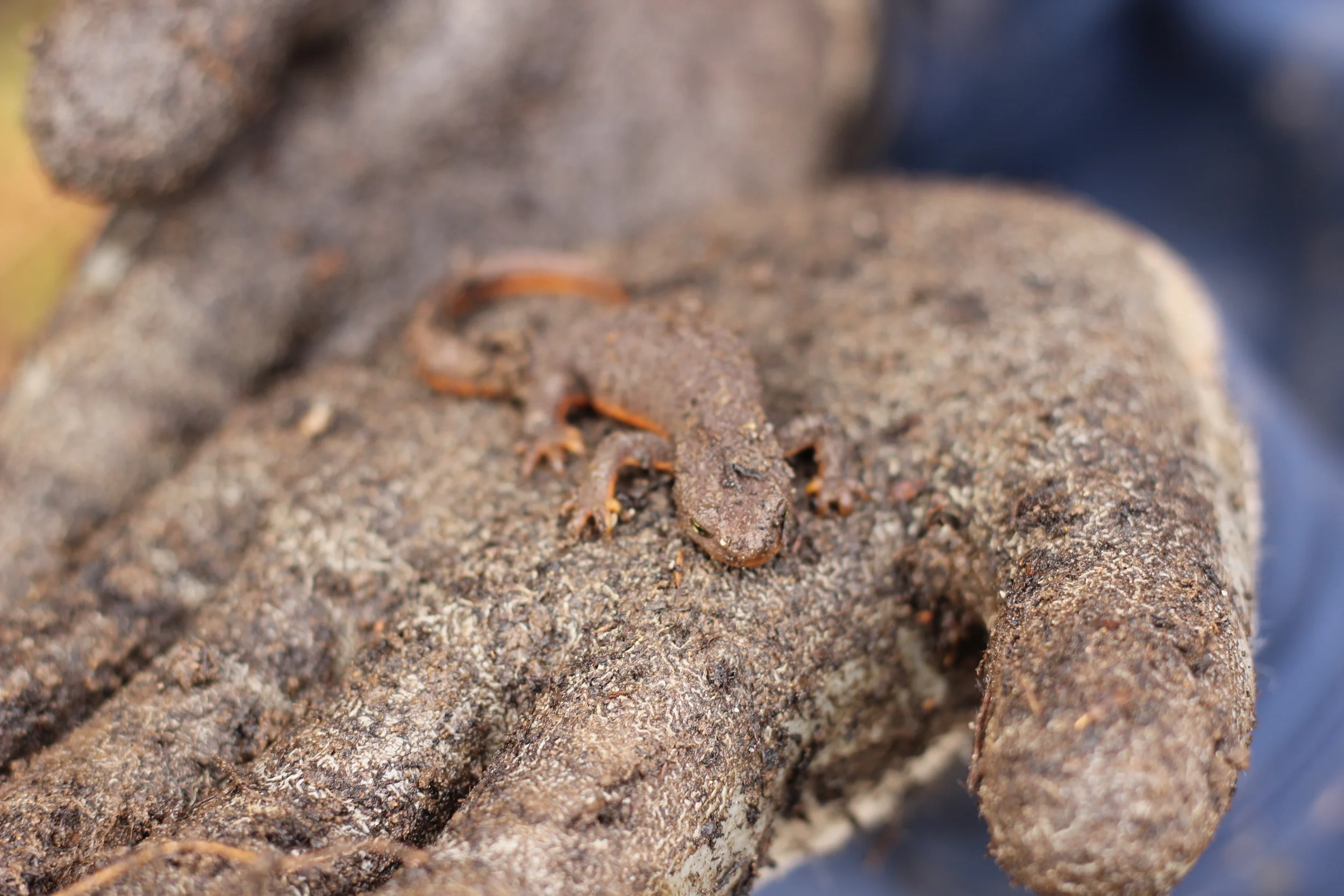
Read MoreSo, leave those fuzzy slippers by the door, put on a pair of mud boots or waders if you got ‘em, and let’s go ‘herping’. The word ‘herp’ comes from Herpetology, the study of amphibians (including frogs, toads, salamanders, newts) and reptiles (including snakes, lizards, turtles).
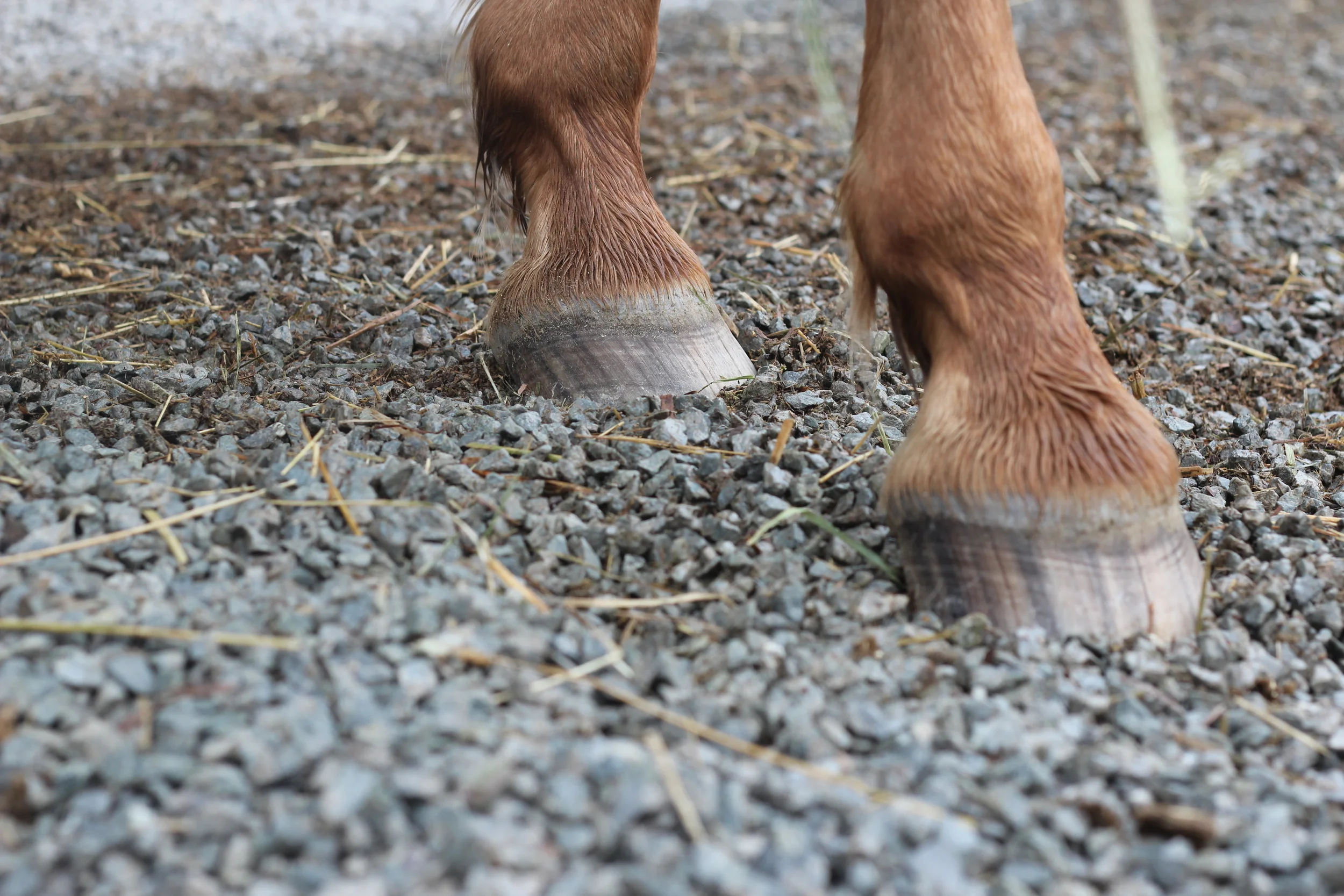
Read MoreIf you haven’t already prepared for more rain and cold here in Western Washington, it’s not too late. Here are a few tips and tricks to beat the winter weather this year and establish more permanent solutions for next year.
Read More
Snohomish Conservation District | 528 91st Ave NE, Lake Stevens, WA 98258 | 425-335-5634